How Cold Plunges Affect the Body and Mind
08.02.2026
7 mins
The first sensation is shock.
Cold water meets skin, breath tightens, and the body reacts instantly. Every instinct says to step out. And yet, more people than ever are choosing to step in.
Cold plunging —the practice of immersing the body in cold water for short, controlled periods— has moved from elite athletic circles into mainstream wellness culture. What was once reserved for recovery facilities and professional training environments is now becoming a deliberate ritual of resilience.
But the appeal of cold exposure goes deeper than trend.
When the body encounters cold water, the nervous system activates immediately. Heart rate rises. Blood vessels constrict. Stress hormones are released. It sounds intense; and it is. But the exposure is brief, and within moments, the body begins to adapt.
Breathing steadies. Focus sharpens. Awareness heightens.
This cycle of stress followed by regulation is what makes cold plunging powerful. In controlled doses, it trains the body to handle discomfort more efficiently. Athletes have long used cold immersion to support recovery after intense exercise, as the drop in temperature may help ease temporary muscle soreness after exercise.
But physical recovery is only part of the story.
Cold plunging is also a mental discipline. Remaining calm while immersed in cold water requires intentional breathing and focus. The mind wants to escape; the practice is to remain steady. Over time, this repeated exposure to manageable stress can strengthen the body’s ability to respond rather than react not just in water, but in everyday life.
Many practitioners report feeling a surge of alertness and clarity after a session. The body warms itself from within, circulation increases, and a lingering sense of energy often follows. It is not relaxation in the traditional sense. It is activation, a reset that feels invigorating rather than soothing.
In contrast to the comfort-driven routines that define much of modern life, cold plunging invites voluntary discomfort. It asks for presence. It demands breath control. It rewards discipline.
And perhaps that is why it resonates so strongly.
Cold exposure is not about endurance for the sake of suffering. It is about adaptation. By stepping into controlled stress, the body adapts to the contrast over time. Over time, the practice may support a greater sense of composure under stress. The mind becomes more resilient.
In a world built around ease, the deliberate choice to embrace cold feels almost radical.
Yet sometimes, clarity begins with contrast.
And strength begins the moment you decide to stay.
The first sensation is shock.
Cold water meets skin, breath tightens, and the body reacts instantly. Every instinct says to step out. And yet, more people than ever are choosing to step in.
Cold plunging —the practice of immersing the body in cold water for short, controlled periods— has moved from elite athletic circles into mainstream wellness culture. What was once reserved for recovery facilities and professional training environments is now becoming a deliberate ritual of resilience.
But the appeal of cold exposure goes deeper than trend.
When the body encounters cold water, the nervous system activates immediately. Heart rate rises. Blood vessels constrict. Stress hormones are released. It sounds intense; and it is. But the exposure is brief, and within moments, the body begins to adapt.
Breathing steadies. Focus sharpens. Awareness heightens.
This cycle of stress followed by regulation is what makes cold plunging powerful. In controlled doses, it trains the body to handle discomfort more efficiently. Athletes have long used cold immersion to support recovery after intense exercise, as the drop in temperature may help ease temporary muscle soreness after exercise.
But physical recovery is only part of the story.
Cold plunging is also a mental discipline. Remaining calm while immersed in cold water requires intentional breathing and focus. The mind wants to escape; the practice is to remain steady. Over time, this repeated exposure to manageable stress can strengthen the body’s ability to respond rather than react not just in water, but in everyday life.
Many practitioners report feeling a surge of alertness and clarity after a session. The body warms itself from within, circulation increases, and a lingering sense of energy often follows. It is not relaxation in the traditional sense. It is activation, a reset that feels invigorating rather than soothing.
In contrast to the comfort-driven routines that define much of modern life, cold plunging invites voluntary discomfort. It asks for presence. It demands breath control. It rewards discipline.
And perhaps that is why it resonates so strongly.
Cold exposure is not about endurance for the sake of suffering. It is about adaptation. By stepping into controlled stress, the body adapts to the contrast over time. Over time, the practice may support a greater sense of composure under stress. The mind becomes more resilient.
In a world built around ease, the deliberate choice to embrace cold feels almost radical.
Yet sometimes, clarity begins with contrast.
And strength begins the moment you decide to stay.


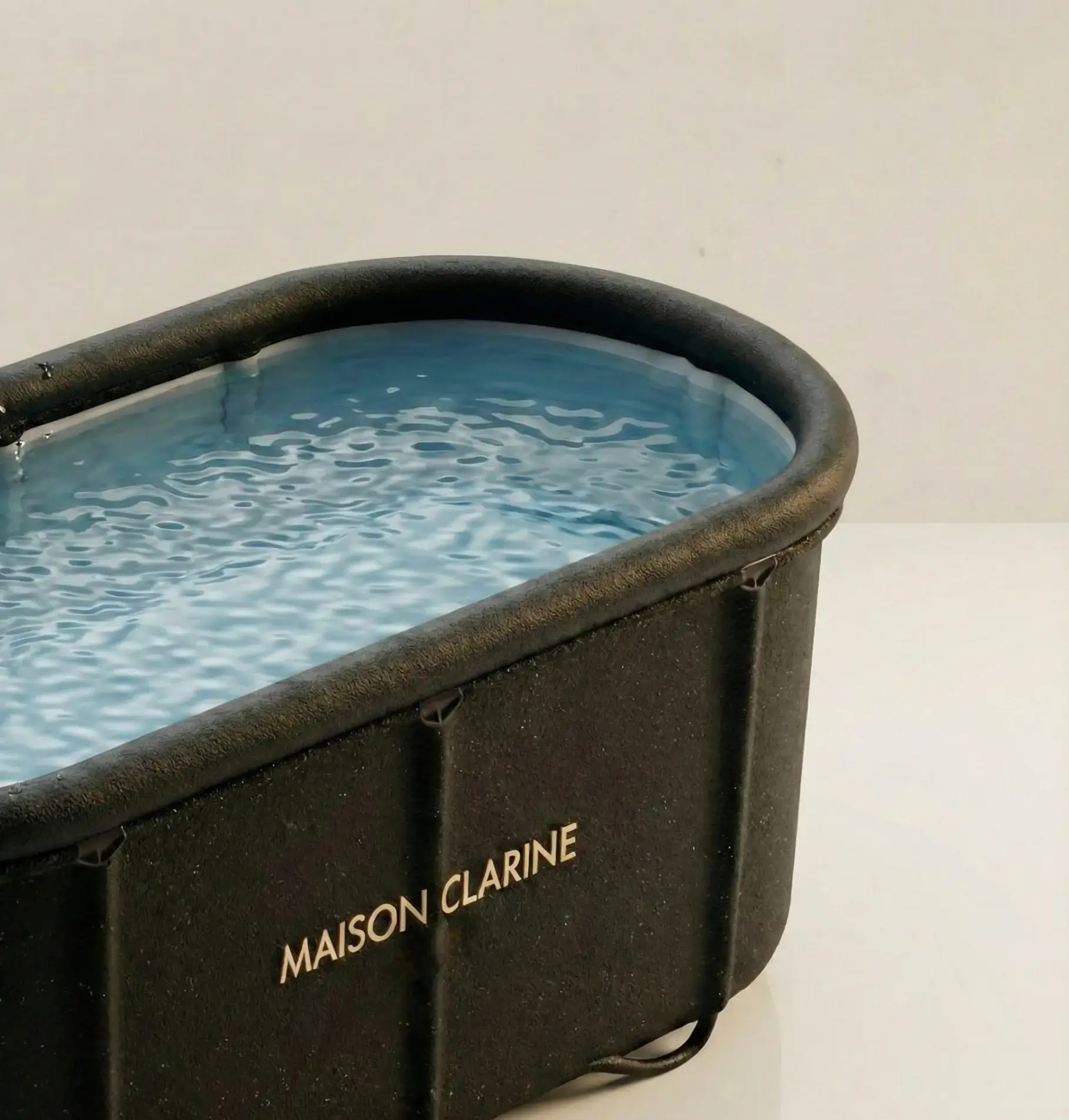
Clarine Portable Ice Bath Plunge Tub